

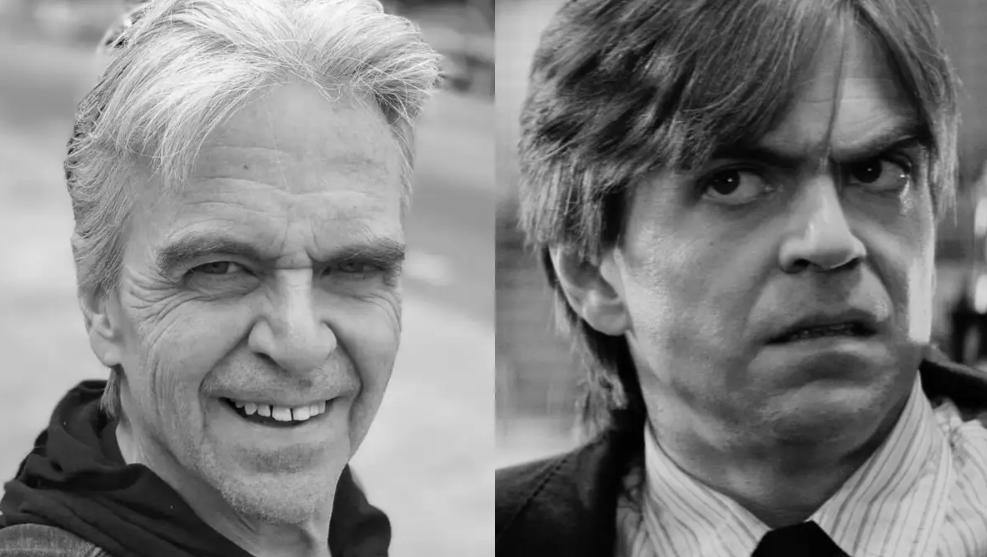
Hollywood is mourning the death of C.W. Morgan, the actor best known for playing the father of one of the original Ghostface killers in the blockbuster horror movie “Scream.” He was 72.
Morgan, whose real name was Curtis Wade Morgan, died August 30, 2026, inside a bathroom at an apartment building in Los Angeles, according to newly obtained death records.
But more than a month after his passing, the exact circumstances surrounding his death remain unclear.
The Los Angeles County Medical Examiner has listed his cause of death as “deferred,” meaning an official determination has not yet been made. His manner of death also remains under investigation.
No autopsy was performed, according to the death certificate.
News of Morgan’s passing became public Thursday, October 8, after TMZ obtained medical examiner records confirming his death.
According to the outlet, Los Angeles police responded to a death investigation at the apartment building.
A spokesperson for the Los Angeles Police Department said the actor’s death initially appeared to be from natural causes.
The Los Angeles Fire Department also confirmed that emergency personnel responded to a report of an unconscious adult man.
Morgan was not transported to a hospital because the incident became a coroner’s case.
Authorities have not publicly identified any suspicious circumstances, and there has been no announcement suggesting foul play.
Nevertheless, the medical examiner’s investigation remains open, and an official cause of death has not been established.
For horror movie fans, Morgan will forever be remembered for his role in the original 1996 “Scream,” the Wes Craven-directed thriller that helped redefine the slasher genre.
The actor portrayed Hank Loomis, a lawyer and the father of Billy Loomis, played by Skeet Ulrich.
In the film, Billy becomes a prime suspect in a series of brutal murders terrorizing the fictional California town of Woodsboro.
Hank makes a memorable appearance at the police station, where he attempts to defend his son against accusations that he is involved in the killings.
At the time, his character appears convinced that Billy is innocent.
But the movie’s shocking conclusion reveals that Billy is one of the killers hiding behind the infamous Ghostface mask.
Although Morgan’s screen time was limited, his character played an important role in the complicated family history behind the murders.
The film eventually reveals that Hank had been involved in an affair with Maureen Prescott, the mother of Sidney Prescott, played by Neve Campbell.
The affair contributed to the breakdown of the Loomis family and became a central part of Billy’s motivation for seeking revenge.
Morgan later appeared through a brief flashback in the 2000 sequel “Scream 3,” which further explored the events that led to the original murders.
The first “Scream” became a massive box-office success, earning more than $170 million worldwide and launching a franchise that has continued for three decades.
The original cast included Courteney Cox, David Arquette, Matthew Lillard, Rose McGowan and Drew Barrymore.
Craven’s combination of suspense, dark humor and unexpected plot twists helped make the movie one of the defining horror films of the 1990s.
For Morgan, appearing in the successful franchise represented one of the most recognizable moments of a relatively small but varied acting career.
Born June 8, 1954, in Bisbee, Arizona, Morgan began working in entertainment later than many Hollywood performers.
He made his television debut in 1991, appearing in two episodes of the NBC crime drama “Midnight Caller.”
The following year, he appeared in the television movie “The Last of His Tribe,” a historical drama starring Jon Voight and Graham Greene.
Morgan continued building his acting résumé throughout the decade, appearing in several television productions and movies.
In 1995, he provided voice work for the animated series “Æon Flux.”
He also appeared alongside Eddie Murphy in the 1997 action thriller “Metro,” portraying a jail laundry room guard.
Another notable project was the 1997 adventure video game “The Last Express,” in which Morgan provided the voice of the central character, Robert Cath.
The game later developed a cult following and remains remembered for its unusual storytelling and distinctive visual style.
Morgan also appeared in the television crime drama “Nash Bridges,” further expanding his collection of screen credits.
Outside Hollywood, he worked as a law clerk and pursued writing, demonstrating interests that extended beyond acting.
Despite his relatively limited filmography, friends remembered him as a talented performer and thoughtful individual who maintained close relationships with the people in his life.
His death has been particularly devastating for his daughter, Renata Macfie.
On August 30, the day her father died, Macfie shared an emotional tribute on Facebook expressing the heartbreak of losing him.
She described the enormous emptiness his passing had left in her life and reflected on the ordinary moments they had shared.
Among her most cherished memories were their drives along Los Angeles’ famous Mulholland Drive and visits to Starbucks.
She promised to continue those traditions in his memory.
“I’m grateful and lucky to have had you as my daddy,” she wrote.
Macfie also remembered her father’s sense of humor, joking that she had inherited his habit of making jokes at inappropriate moments.
Her deeply personal tribute offered a glimpse of Morgan away from Hollywood, revealing a loving father whose presence meant far more to his family than his movie credits.
The actor never married, according to published reports, but maintained a close bond with his daughter.
Friends also paid tribute following news of his passing.
Paul Codiga remembered Morgan as a devoted father, talented actor, loyal friend and gifted writer.
His tribute emphasized the creative abilities and personal qualities that those closest to Morgan admired.
On social media, Morgan had occasionally shared photographs documenting his everyday life.
His Instagram account included casual selfies and pictures showing him wearing “I Voted” stickers, reflecting his interest in participating in elections.
Unlike many celebrities, Morgan generally maintained a low public profile in recent years.
He was not widely associated with Hollywood publicity events or frequent media appearances, and news of his death did not become public until several weeks after it occurred.
That delay has added to the surprise among fans discovering that the actor behind Hank Loomis had passed away.
The announcement also comes during a period of renewed interest in the “Scream” franchise.
The horror series has continued introducing new generations of audiences to the original characters and the complicated history behind the Ghostface murders.
Although Morgan did not become a major leading man, his appearance in the 1996 classic ensured that his performance would remain part of horror movie history.
For longtime fans, his character represents a memorable piece of the mystery that made the original “Scream” such a phenomenon.
And for those who knew him personally, Morgan’s legacy extends well beyond the screen.
His daughter and friends remember a man who enjoyed simple traditions, valued relationships and brought humor into their lives.
As of October 9, authorities have not announced a final determination regarding his death.
While police have indicated that natural causes initially appeared likely, the medical examiner has not officially confirmed that conclusion.
For now, the mystery surrounding his final moments remains unresolved.