

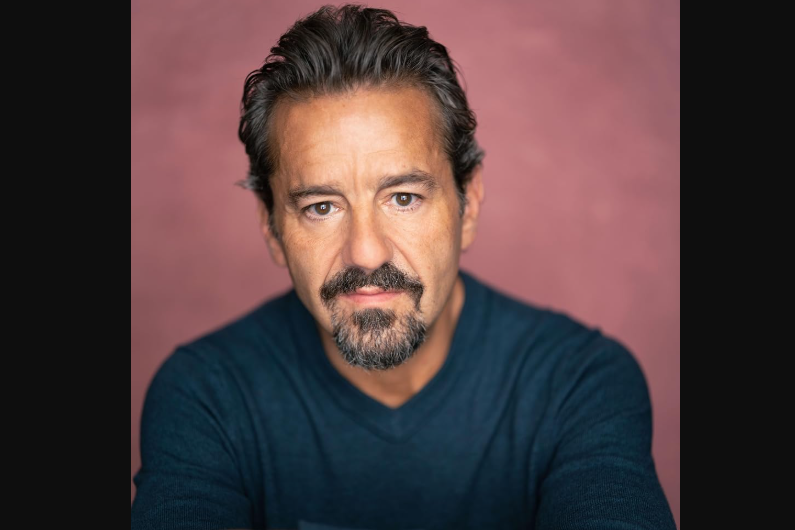
Actor Max Casella has spent decades entertaining audiences on hit television shows including “The Sopranos” and “Doogie Howser, M.D.,” but behind the scenes, he was dealing with a rare medical condition that nearly destroyed his Hollywood career.
The 59-year-old actor recently opened up about his lifelong growth hormone deficiency, revealing that he didn’t go through puberty until he was 27 years old, long after most people experience the physical changes of adolescence.
By that time, Casella had already established himself as a successful television actor. But just as his career was gaining momentum, his appearance began changing dramatically, creating challenges he never expected to face as an adult.
“It was insane,” Casella told Page Six while discussing the experience. “Wouldn’t have been my choice, but you know, given the cards you’re dealt. You make the best of it.”
Casella explained that he was born with a condition affecting his pituitary gland, which prevented his body from producing the hormones necessary for normal growth and development.
While his classmates experienced puberty during their teenage years, Casella continued looking much younger than his actual age.
In previous interviews, he revealed that he was still unable to grow facial hair at 25 and had to undergo hormone treatment to trigger the physical changes his body had never experienced naturally.
The treatment eventually worked, but the timing could hardly have been worse.
Casella had become recognizable to millions of viewers as Vinnie Delpino, the best friend of Neil Patrick Harris’ character on the popular medical comedy “Doogie Howser, M.D.”
The series aired from 1989 to 1993, turning Casella into a familiar face at a young age.
However, as he entered his late 20s, he suddenly began experiencing the awkward physical changes most boys go through in high school.
His face changed, his body developed, and he dealt with acne and weight fluctuations at a time when casting directors already knew him for his youthful appearance.
The transformation left him struggling to find work.
“I had to start all over again. It was a humiliating experience,” he admitted.
The actor explained that the physical changes made it difficult to continue playing the kinds of roles that had helped establish his career.
For someone whose livelihood depended partly on appearance, suddenly looking different created professional uncertainty.
In earlier interviews, Casella described the experience as feeling like his career had essentially come to an end.
But an unexpected opportunity eventually helped him rebuild his confidence.
In 1997, Casella landed the role of Timon in the original Broadway production of Disney’s “The Lion King.”
The demanding production required him to sing, dance and perform eight shows a week, giving him both steady work and an opportunity to adjust to his changing body.
Casella has credited the experience with helping him become comfortable with himself as an adult.
The Broadway success also marked the beginning of a new chapter in his career.
He went on to appear in acclaimed television dramas, including HBO’s “The Sopranos,” where he played mob associate Benny Fazio.
He later portrayed Leo D’Alessio on “Boardwalk Empire” and appeared in shows including “Tulsa King” and “The Marvelous Mrs. Maisel.”
His film credits have included “Inside Llewyn Davis,” “Blue Jasmine” and “The Tender Bar.”
Now, decades after the medical condition nearly derailed his career, Casella is preparing for another major role.
He portrays legendary Hollywood director Frank Capra in the upcoming biographical drama “Jimmy,” which tells the story of actor Jimmy Stewart’s military service during World War II and his return to Hollywood.
The film stars KJ Apa as Stewart and explores how the actor’s wartime experiences influenced his life and his performance in the 1946 Christmas classic “It’s a Wonderful Life.”
Casella plays Capra, the director who helped Stewart return to the screen in one of the most beloved movies in American history.
Preparing for the role required extensive research.
Casella said he read Capra’s autobiography and watched documentaries to understand the filmmaker’s personality, mannerisms and approach to his work.
He was particularly interested in the small details that could make his portrayal feel authentic, including how Capra moved, spoke and carried himself.
The research was challenging because relatively little footage exists of the director during that period of his life.
Still, Casella welcomed the opportunity to portray another influential figure from Hollywood history.
“Jimmy,” directed by Aaron Burns, is scheduled to open in theaters nationwide November 6.
For Casella, the role is another reminder of how far he has come since the difficult years when he feared his changing appearance might end his career.
What once felt like an embarrassing and overwhelming medical challenge eventually became part of a much larger story of persistence.
And after more than three decades in entertainment, the actor continues proving that an unexpected setback doesn’t have to determine how the rest of a career unfolds.