

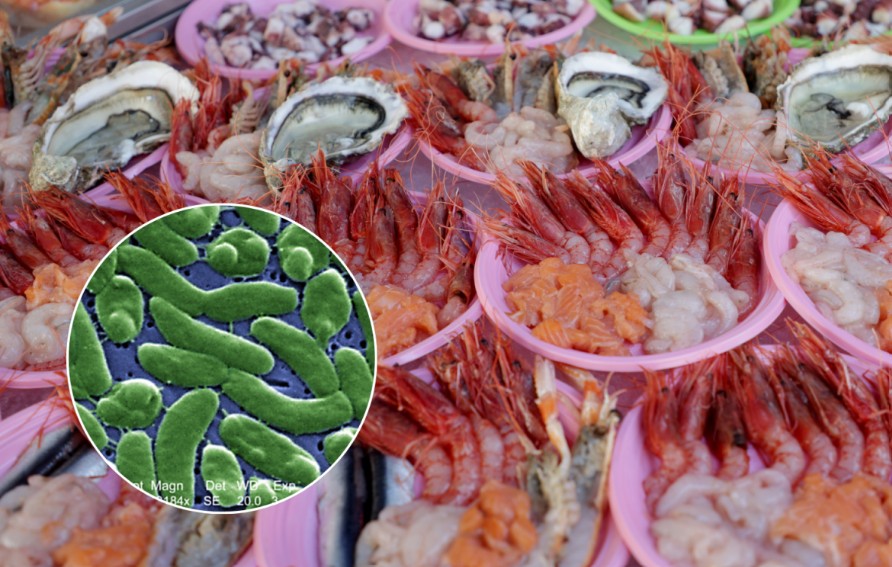
Florida has reported its first death of the year connected to a dangerous bacteria that can destroy flesh, enter the bloodstream and kill within days.
The Florida Department of Health confirmed that one person in Palm Beach County died after contracting Vibrio vulnificus.
As of July 30, Florida had recorded 12 confirmed cases of the potentially deadly infection in 2026. Palm Beach County accounted for two cases and the state’s only reported death.
Officials have not released the identity of the person who died or revealed whether the infection came from contaminated seafood, an open wound exposed to coastal water or another source.
The latest figures show the state is already approaching half of last year’s total. Florida recorded 33 cases and five deaths during all of 2025, according to the Florida Department of Health.
Vibrio vulnificus is often described as a “flesh-eating” bacteria because some infections can develop into necrotizing fasciitis, a rapidly spreading condition that kills tissue around an infected wound.
However, health experts note that other bacteria, particularly group A strep, cause more cases of necrotizing fasciitis in the United States.
Vibrio bacteria naturally live in warm coastal waters, including saltwater and brackish water, where freshwater mixes with seawater.
People can become infected after an open cut, scrape, burn, recent piercing, tattoo or surgical wound comes into contact with contaminated coastal water.
An open wound can also become infected after touching raw seafood or its juices.
Another major risk comes from eating raw or undercooked shellfish, particularly oysters. An oyster contaminated with Vibrio may look, smell and taste completely normal.
While Vibrio infections remain rare, severe cases can progress with frightening speed.
Early symptoms of a wound infection may include redness, pain, swelling, warmth, discoloration and fluid leaking from the affected area.
People may also experience fever, chills, rapidly spreading redness, fluid-filled blisters and confusion.
If the infection enters the bloodstream, symptoms can include dangerously low blood pressure, fever, chills and blistering skin lesions. Patients may develop sepsis, shock and organ failure.
Some victims require intensive care, surgery to remove dead or infected tissue or even limb amputation.
Approximately one in five people infected with Vibrio vulnificus dies, sometimes within just one or two days after becoming ill, according to the Centers for Disease Control and Prevention.
Florida health officials warn that bloodstream infections caused by this specific bacteria are fatal in approximately half of cases.
The CDC estimates that between 150 and 200 Vibrio vulnificus infections are reported nationwide each year. The bacteria is most often found along the Gulf Coast, particularly during warmer months.
Other types of Vibrio bacteria are far more common and contribute to an estimated 80,000 illnesses across the United States annually.
People with liver disease, cancer, diabetes, HIV or other conditions that weaken the immune system face a greater risk of developing severe complications.
Those taking immune-suppressing medications or drugs that reduce stomach acid may also be more vulnerable, along with people who recently underwent stomach surgery.
Extreme weather can increase the danger.
Hurricanes, storm surges and coastal flooding can push contaminated saltwater and brackish water into inland communities, exposing more people to the bacteria.
Florida recorded an unusual increase following Hurricane Ian in 2022, when the state reported 74 cases and 17 deaths.
Another major spike followed Hurricane Helene in 2024. That year, Florida reported 82 cases and 19 deaths.
Health officials recommend cooking oysters and other shellfish thoroughly rather than eating them raw.
People should wash their hands with soap and water after handling raw seafood and avoid allowing seafood juices to touch open wounds.
Anyone with a cut, scrape, burn, piercing, tattoo or recent surgical wound should stay out of coastal and brackish water. If exposure cannot be avoided, the wound should be covered with a waterproof bandage.
Protective footwear can also help prevent cuts while walking near beaches, estuaries and other coastal areas.
Anyone who develops rapidly worsening redness, swelling, pain, blisters, fever or chills after eating raw shellfish or entering coastal water should seek emergency medical care immediately and tell doctors about the possible exposure.
With Vibrio vulnificus, waiting to see whether symptoms improve can be deadly.