

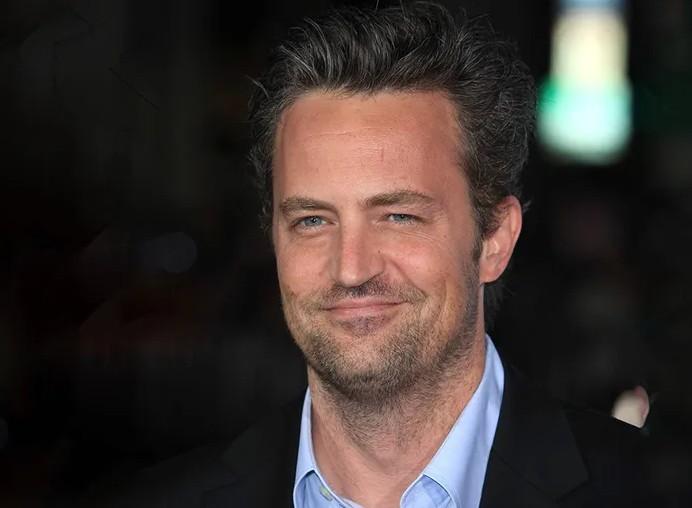
Matthew Perry’s former assistant is begging a judge for mercy, claiming he felt trapped in a dangerous power dynamic with the Friends star and could not “simply say no” when the actor demanded ketamine — even when that meant injecting him with the drug himself.
Kenneth Iwamasa, Perry’s longtime assistant, is set to be sentenced on May 27 in the federal drug case tied to the actor’s shocking death. In newly filed court documents, Iwamasa pushed back hard against prosecutors’ argument that he could have refused Perry’s requests.
According to the filing, Iwamasa says he was Perry’s employee and acted “at all relevant times” at the actor’s direction rather than on his own. His lawyers are now arguing that the relationship between the famous sitcom star and the man who worked for him created a troubling dynamic where Iwamasa felt he had to obey.
In other words, Iwamasa is not denying that he helped Perry get ketamine or that he injected him with the drug. Instead, his defense is arguing that he felt forced into the role because of his job, Perry’s demands, and the pressure of working for a powerful celebrity boss.
The filing says prosecutors claimed Iwamasa could have simply told Perry “no” when the actor asked for ketamine. But Iwamasa’s lawyers say that argument ignores his “particular vulnerability” inside the relationship.
Iwamasa summed up his defense by saying he could not “simply say no” — and admitted that his inability to stop had tragic consequences.
Perry died on October 28, 2023, at age 54 from the acute effects of ketamine. The beloved actor, who became a household name as Chandler Bing on Friends, had spent years publicly battling addiction and had written openly about his struggles in his 2022 memoir.
Federal prosecutors say Iwamasa repeatedly injected Perry with ketamine even though he had no medical training. Authorities have said he injected Perry multiple times on the day the actor died.
Iwamasa pleaded guilty in August 2024 to one count of conspiracy to distribute ketamine causing death. He faces up to 15 years in prison, though prosecutors are reportedly recommending 41 months behind bars followed by three years of supervised release.
His lawyers are asking the judge to show leniency, arguing that Iwamasa was not some random street dealer, but an employee who became caught in Perry’s drug use because of their close and complicated working relationship.
His defense team admitted that Iwamasa’s position as Perry’s assistant may have made it easier for him to participate in the drug conspiracy. But they also argued that he was not the only person involved, pointing out that a number of other people also allegedly helped supply drugs to Perry.
The case has exposed a disturbing network of people accused of taking advantage of Perry’s addiction in the months before his death. Iwamasa was one of five people charged in connection with the fatal overdose, along with alleged drug suppliers and medical professionals.
The others charged included Jasveen Sangha, known in media reports as the “Ketamine Queen,” former drug counselor Erik Fleming, and doctors Salvador Plasencia and Mark Chavez. Prosecutors said the group helped obtain and distribute ketamine to Perry as his drug use spiraled.
But Perry’s family is not buying Iwamasa’s plea for sympathy.
The actor’s mother, Suzanne Morrison, and his sisters submitted emotional victim impact statements ahead of sentencing, blasting Iwamasa for what they described as a devastating betrayal. Morrison accused him of breaking Perry’s trust and helping enable the addiction that killed him.
According to reports, Morrison said Perry had known Iwamasa for many years and that the family trusted him. She said that made his alleged actions even more painful.
Perry’s family also accused Iwamasa of remaining close to them after the actor’s death while allegedly hiding the full extent of his role in what happened. They said he attended funeral-related events and presented himself as someone grieving the loss, even as they later learned he had played a direct part in Perry’s final days.
To prosecutors and Perry’s family, Iwamasa was not just a helpless employee. They say he was a trusted assistant who had a responsibility to protect Perry, not help supply and inject him with ketamine.
To Iwamasa’s defense team, however, the story is more complicated. They are now asking the court to see him as a man who was overwhelmed by Perry’s demands, trapped by the relationship, and unable to say no until it was too late.
The judge will decide Iwamasa’s fate at his May 27 sentencing.