

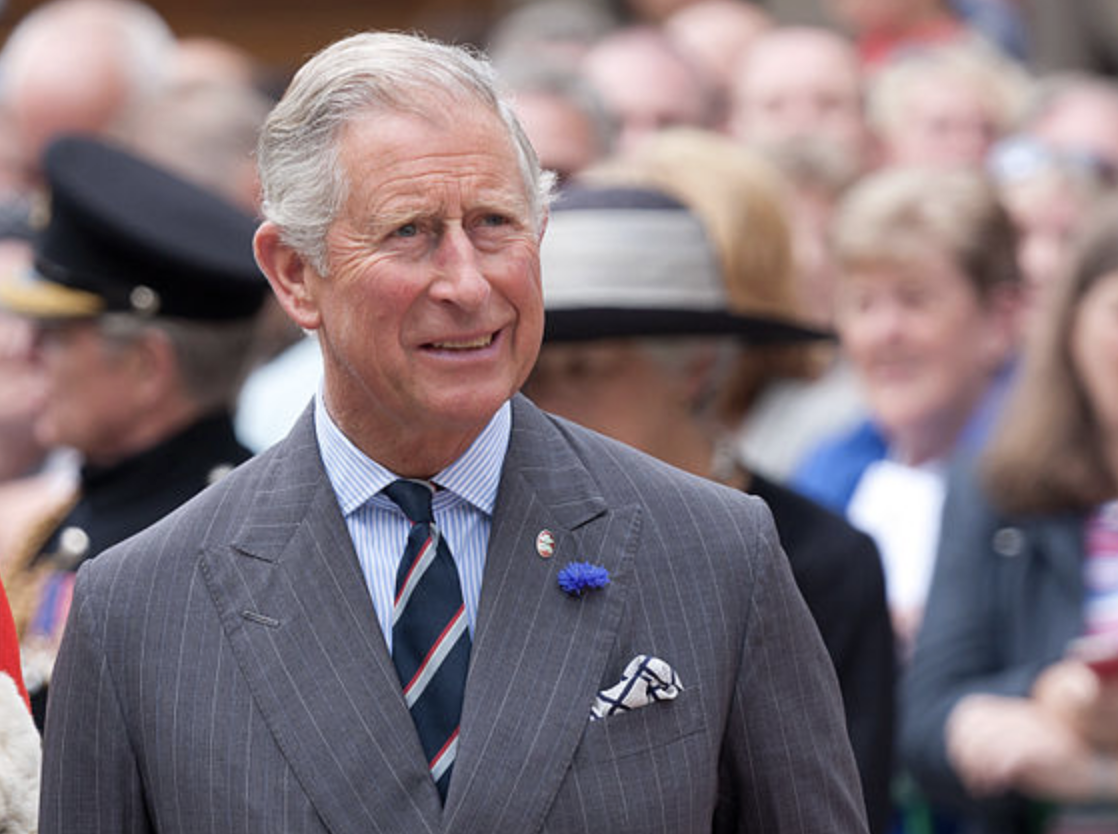
King Charles is said to be deeply uncomfortable with headlines branding him Britain’s first billionaire monarch — and insiders claim the label has left him “absolutely squirming.”
Sources close to the 77-year-old king say the sudden fixation on his wealth has crossed a line for someone who has always treated money as a private matter. Since ascending the throne in 2022 following the death of his mother, Queen Elizabeth II, Charles inherited not just the crown but centuries-old estates and financial structures that are now under intense public scrutiny.
Recent media investigations and documentaries have pushed estimates of Charles’ personal fortune toward the $2 billion range — a figure insiders insist he neither embraces nor agrees with.
“Charles hates talking about money and always has,” a source told RadarOnline. “To be publicly labeled a billionaire feels to him like an invasion of privacy and a complete misunderstanding of how royal finances actually work. He finds it deeply embarrassing.”
The renewed attention comes as debates intensify over royal financial transparency, including inheritance tax exemptions, voluntary income tax arrangements, and the long-standing secrecy surrounding royal wills. Those issues were recently explored in a BBC documentary hosted by veteran broadcaster David Dimbleby, which examined the monarchy’s wealth, power, and relevance in a rapidly changing Britain.
According to insiders, Charles bristles at comparisons that frame him as a modern tycoon.
“From his perspective, these are historic estates tied to duty and obligation — not a personal bank account to be splashed across headlines,” the source said. “The billionaire label makes it sound like he’s hoarding cash, and that’s not how he sees his role at all.”
Much of the king’s estimated wealth is linked to the Duchy of Lancaster, which provides income to the reigning monarch, as well as private estates such as Sandringham and Balmoral. While legally separate from the Crown Estate, these holdings have become harder to explain to a public facing rising living costs and economic strain.
“Charles understands how shocking those numbers look right now,” the insider added. “That’s exactly why he’s so irritated by how casually they’re thrown around without context.”
Friends also say the label clashes with the values Charles was raised with.
“He grew up believing that talking openly about money was in poor taste,” the source said. “Seeing his finances dissected the way Silicon Valley billionaires’ wealth is analyzed makes him profoundly uncomfortable.”
The timing hasn’t helped. Ongoing fallout involving Prince Andrew has reignited public scrutiny of royal privilege, funding, and behind-the-scenes financial arrangements, further fueling questions about how the monarchy operates.
Insiders insist Charles would rather the focus remain on duty and service, not personal wealth.
“He feels the billionaire narrative cheapens the monarchy and distracts from the responsibilities of the role,” the source said. “It distorts what he’s actually meant to represent.”
Within the palace, there is growing frustration that complex financial realities are being flattened into a provocative headline.
“Royal finances are layered and difficult to quantify,” one aide said. “But they’re being reduced to a blunt label that leaves the king feeling exposed.”
For Charles, the distinction is one he never wanted.
“He never aspired to be seen as the richest monarch of the modern era,” the insider said. “He wanted his legacy to be defined by responsibility and service — not by a number attached to his name.”